

Are there any anti - rust dormitory beds?
Jan 21, 2026
Are there any anti - rust dormitory beds?
As a dormitory bed supplier, I often get asked this question by school administrators, university housing managers, and other institutions looking to furnish their dormitories. The answer is a resounding yes! In this blog post, I'll delve into the world of anti - rust dormitory beds, explaining what makes them resistant to rust, the benefits they offer, and the different types available in our product range.
What Causes Rust on Dormitory Beds?
Before we understand anti - rust dormitory beds, it's essential to know what causes rust in the first place. Rust is the result of a chemical reaction called oxidation. When iron or steel, which are commonly used in the construction of dormitory beds, come into contact with oxygen and water, they form iron oxide, which is what we know as rust.
In a dormitory environment, there are several factors that can accelerate the rusting process. High humidity levels, especially in areas with poor ventilation, can expose the beds to moisture. Students may also spill liquids such as water, drinks, or cleaning agents on the beds, further increasing the risk of rust. Additionally, if the beds are located near windows or in areas prone to leaks, they are more likely to be affected by rust.
How Anti - Rust Dormitory Beds Work
Anti - rust dormitory beds are designed to prevent or slow down the oxidation process. There are several ways this can be achieved:
1. Coating
One of the most common methods is applying a protective coating to the metal surface of the bed. This coating acts as a barrier between the metal and the surrounding environment, preventing oxygen and water from coming into direct contact with the metal. For example, powder coating is a popular choice. It involves applying a dry powder to the metal and then heating it to form a hard, durable finish. Powder coating not only provides excellent rust protection but also comes in a variety of colors, allowing for customization.
2. Galvanization
Galvanization is another effective technique. It involves coating the metal with a layer of zinc. Zinc is more reactive than iron, so when the bed is exposed to oxygen and water, the zinc corrodes first, protecting the underlying iron or steel. Hot - dip galvanizing is a common method where the metal is dipped into a bath of molten zinc. This creates a thick, uniform zinc coating that provides long - lasting rust protection.
Benefits of Anti - Rust Dormitory Beds
1. Durability
The primary benefit of anti - rust dormitory beds is their increased durability. Rust can weaken the structure of the bed over time, leading to instability and potential safety hazards. By preventing rust, these beds can last much longer, reducing the need for frequent replacements. This is especially important for institutions with large dormitory facilities, as it can save a significant amount of money in the long run.
2. Hygiene
Rust can also be a breeding ground for bacteria and other microorganisms. Anti - rust beds are easier to clean and maintain, as they don't have the rough, porous surface that rust creates. This helps to keep the dormitory environment clean and hygienic, which is crucial for the health and well - being of the students.
3. Aesthetics
Rust can make the beds look old and unappealing. Anti - rust beds maintain their appearance over time, providing a more attractive and professional look to the dormitory. This can enhance the overall living experience for the students and create a more positive impression on visitors.
Types of Anti - Rust Dormitory Beds in Our Product Range
1. Double - Decker Dormitory Bed
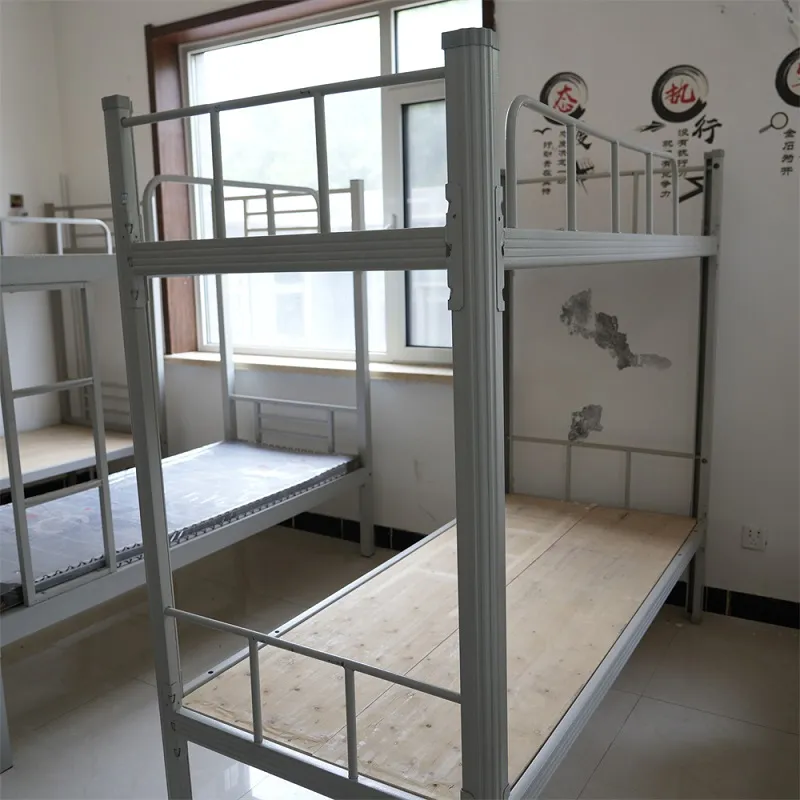
Our Double - Decker Dormitory Bed is a popular choice for dormitories with limited space. It allows two students to share the same floor area, maximizing the use of space. These beds are made with high - quality steel and are treated with anti - rust coatings to ensure long - term durability. They are also designed with safety in mind, featuring sturdy guardrails and stable ladders.
2. Multi - Functional Dormitory Bed
The Multi - Functional Dormitory Bed is another great option. It combines a bed with other features such as a desk, storage cabinets, and bookshelves. This type of bed is ideal for students who need a dedicated study and living space. Like our double - decker beds, the multi - functional beds are also protected against rust, ensuring they can withstand the wear and tear of daily use.
Maintenance Tips for Anti - Rust Dormitory Beds
While anti - rust dormitory beds are designed to be resistant to rust, proper maintenance is still important to ensure their longevity. Here are some tips:
1. Keep the Beds Dry
As mentioned earlier, moisture is the main cause of rust. Make sure the dormitory is well - ventilated to reduce humidity levels. Promptly clean up any spills on the beds to prevent water from sitting on the metal surface.
2. Regular Cleaning
Regularly clean the beds with a mild detergent and a soft cloth. Avoid using abrasive cleaners or tools that could scratch the protective coating. A scratched coating can expose the metal to oxygen and water, increasing the risk of rust.
3. Inspect for Damage
Periodically inspect the beds for any signs of damage to the coating or the structure. If you notice any chips or scratches in the coating, touch them up with a suitable paint or coating to prevent rust from forming.
Conclusion
In conclusion, anti - rust dormitory beds are an excellent choice for institutions looking to provide a safe, durable, and hygienic living environment for their students. With the right anti - rust treatments and proper maintenance, these beds can last for many years, offering a cost - effective solution for dormitory furnishing.
If you're interested in learning more about our anti - rust dormitory beds or would like to discuss your specific requirements, please feel free to reach out. We're here to help you find the perfect dormitory beds for your institution.

References
- "Corrosion and Protection of Metals" by Fontana, M. G.
- "Handbook of Corrosion Engineering" by Uhlig, H. H.