

Can I put a memory foam topper on a dormitory bed?
Oct 10, 2025
As a dormitory bed supplier, I often receive various inquiries from students, parents, and school administrators. One question that frequently pops up is, "Can I put a memory foam topper on a dormitory bed?" In this blog post, I'll delve into this topic, exploring the feasibility, benefits, potential drawbacks, and considerations when using a memory foam topper on a dormitory bed.
Feasibility of Using a Memory Foam Topper on a Dormitory Bed
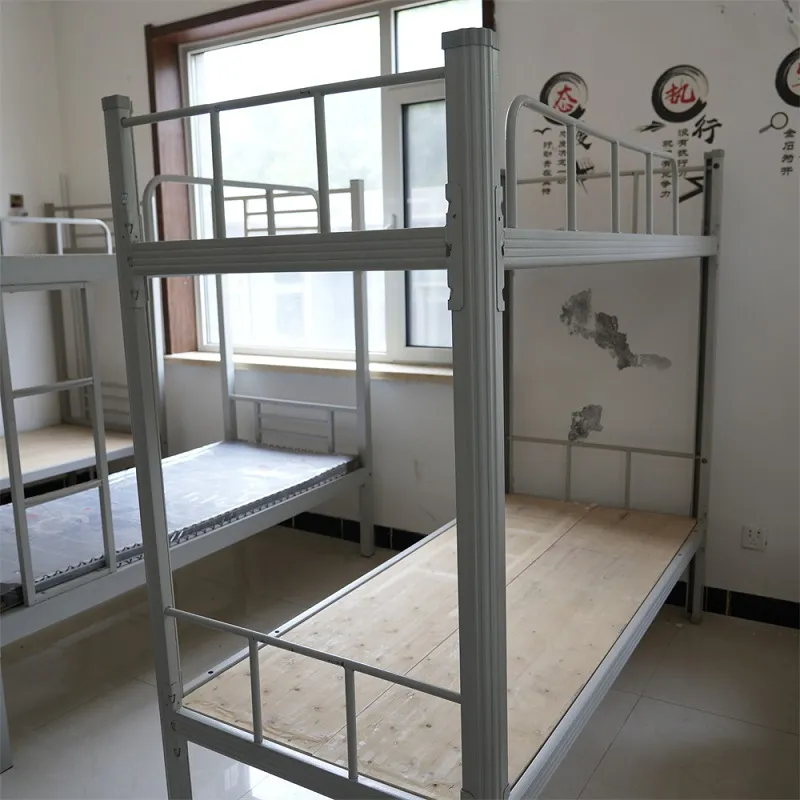
The short answer is yes, you can put a memory foam topper on a dormitory bed. Most dormitory beds, whether they are Double-Decker Dormitory Bed or Multi-Functional Dormitory Bed, are designed to accommodate standard bedding and mattress accessories. Memory foam toppers come in a variety of sizes, including twin, twin XL, full, and queen, which are commonly used in dormitories. As long as you choose the right size to match your dorm bed, it should fit just fine.
Benefits of Using a Memory Foam Topper
1. Enhanced Comfort
Dormitory beds are often known for their less-than-luxurious mattresses. They can be thin, firm, and lack the support needed for a good night's sleep. A memory foam topper can significantly improve the comfort level of the bed. Memory foam conforms to the shape of your body, distributing your weight evenly and relieving pressure points. This can reduce tossing and turning during the night, leading to a more restful sleep.
2. Supportive Sleep Surface
Memory foam provides excellent support for the spine. It helps to keep the spine in a neutral alignment, which is crucial for preventing back pain and discomfort. For students who spend long hours sitting at desks studying, a supportive sleep surface can be particularly beneficial in reducing the strain on their backs.
3. Hypoallergenic Properties
Many memory foam toppers are hypoallergenic, which means they are resistant to dust mites, mold, and mildew. This is especially important in dormitory environments where ventilation may be limited, and the risk of allergen buildup is higher. A hypoallergenic topper can help create a healthier sleeping environment for students with allergies or respiratory issues.
4. Cost-Effective Upgrade
Replacing a dormitory mattress can be expensive, and it may not be a practical option for many students. A memory foam topper is a more cost-effective alternative. It allows students to transform an uncomfortable bed into a more comfortable one without breaking the bank.
Potential Drawbacks of Using a Memory Foam Topper
1. Heat Retention
One of the common complaints about memory foam is that it can trap heat. This can be a problem, especially in dorm rooms that may not have adequate air conditioning. However, many modern memory foam toppers are designed with cooling technologies, such as gel-infused foam or open-cell structures, to help dissipate heat and keep the sleeper cool.
2. Odor
Some memory foam toppers may emit a strong odor when first unpacked. This is known as off-gassing and is caused by the chemicals used in the manufacturing process. The odor usually dissipates within a few days to a week, especially if the topper is aired out in a well-ventilated area.
3. Durability
While memory foam toppers are generally durable, they may not last as long as a high-quality mattress. Over time, the foam may lose its shape and support, especially if it is subjected to heavy use. However, if you choose a topper with a good warranty and proper care, it can provide several years of comfortable use.
Considerations When Using a Memory Foam Topper on a Dormitory Bed
1. Size and Thickness
As mentioned earlier, it's important to choose the right size of the memory foam topper to fit your dormitory bed. In addition to size, you also need to consider the thickness of the topper. Thicker toppers generally provide more cushioning and support, but they may also be more expensive and heavier. A thickness of 2 to 4 inches is usually a good balance for most dormitory beds.
2. Quality and Density
The quality and density of the memory foam topper can significantly affect its performance. Higher density foam tends to be more durable and provide better support. Look for toppers with a density of at least 3 pounds per cubic foot for optimal comfort and longevity.
3. Maintenance
Memory foam toppers are relatively easy to maintain. You can vacuum them regularly to remove dust and debris. If the topper gets stained, you can spot clean it with a mild detergent and water. It's also a good idea to use a mattress protector to keep the topper clean and extend its lifespan.
4. Compatibility with Bed Frame
Some dormitory beds may have unique bed frames or structures that could affect the use of a memory foam topper. For example, if the bed frame has a slatted base, make sure the slats are close enough together to support the topper properly. If the slats are too far apart, the topper may sag or lose its shape over time.
Conclusion
In conclusion, putting a memory foam topper on a dormitory bed is a great way to improve the comfort and quality of sleep for students. While there are some potential drawbacks, such as heat retention and odor, these can be mitigated by choosing a high-quality topper with cooling features and allowing it to air out before use. By considering the size, thickness, quality, and compatibility with the bed frame, students can find the perfect memory foam topper for their dormitory bed.

If you're in the market for a dormitory bed or have any questions about using a memory foam topper, feel free to reach out to us. We're here to help you make the best decision for your dormitory needs. Whether you're a student looking for a comfortable place to rest after a long day of classes or a school administrator planning to upgrade your dormitory facilities, we can provide you with high-quality dormitory beds and expert advice. Contact us today to start the procurement process and create a better living environment for your students.
References
- Memory Foam: A Comprehensive Guide. Sleep Foundation.
- How to Choose the Right Memory Foam Topper. Consumer Reports.
- Benefits of Memory Foam Mattresses. National Sleep Foundation.