

What kind of bedding is best for a dormitory bed?
Jul 22, 2025
When it comes to setting up a dormitory, one of the most crucial aspects is choosing the right bedding. As a dormitory bed supplier, I've witnessed firsthand the impact that quality bedding can have on a student's comfort and overall well - being during their time in the dorm. In this blog, I'll explore the different types of bedding and what makes them suitable for dormitory beds.
The Importance of Quality Bedding in a Dormitory
A dormitory is more than just a place to sleep; it's a student's personal space where they rest, study, and unwind. Quality bedding can significantly enhance the comfort of the dormitory bed, leading to better sleep. Good sleep is essential for students as it improves concentration, memory, and overall academic performance. Moreover, comfortable bedding can make the dorm feel more like home, reducing feelings of homesickness and stress.

Types of Bedding and Their Suitability for Dormitory Beds
Mattresses
- Memory Foam Mattresses: Memory foam mattresses are a popular choice for dormitory beds. They conform to the body's shape, providing excellent support and pressure relief. This is especially beneficial for students who may spend long hours sitting at a desk, as it helps alleviate back and neck pain. Memory foam mattresses also reduce motion transfer, which is great for dormitories where multiple students may be sharing a room. For example, if one student moves during the night, the other is less likely to be disturbed.
- Innerspring Mattresses: Innerspring mattresses are another common option. They are generally more affordable than memory foam mattresses and offer a traditional "bouncy" feel. They provide good support and ventilation, which can be important in a dormitory environment where students may not have access to air - conditioning all the time. However, they may be noisier than memory foam mattresses and may not conform to the body as well.
Sheets
- Cotton Sheets: Cotton sheets are a classic choice for dormitory beds. They are breathable, soft, and easy to care for. Cotton is a natural fiber, which means it's hypoallergenic and suitable for most skin types. There are different types of cotton, such as Egyptian cotton and Pima cotton, which are known for their high quality and durability. These sheets can withstand frequent washing, which is necessary in a dormitory setting.
- Polyester - Cotton Blend Sheets: Polyester - cotton blend sheets combine the best of both worlds. They are more wrinkle - resistant than pure cotton sheets, which is a plus for students who may not have time to iron. They are also relatively inexpensive and easy to maintain. However, they may not be as breathable as pure cotton sheets.
Pillows
- Memory Foam Pillows: Similar to memory foam mattresses, memory foam pillows conform to the shape of the head and neck, providing excellent support. They are great for students who sleep in different positions, as they can adjust to the individual's needs. Memory foam pillows can help reduce neck pain and improve sleep quality.
- Down Pillows: Down pillows are soft and fluffy, providing a luxurious feel. They are made from the soft underplumage of ducks or geese. However, they may not be suitable for students with allergies. Down pillows also require more maintenance, such as fluffing regularly to maintain their shape.
Comforters and Duvets
- Down Comforters: Down comforters are known for their warmth and lightness. They are filled with down feathers, which provide excellent insulation. However, like down pillows, they may not be suitable for allergy sufferers. They also tend to be more expensive.
- Synthetic Comforters: Synthetic comforters are a more affordable and hypoallergenic alternative. They are filled with synthetic fibers, such as polyester, which mimic the warmth and softness of down. They are easy to care for and can be machine - washed and dried.
Considerations for Dormitory Bedding
- Size: Dormitory beds come in various sizes, such as twin - size and twin - XL. It's important to choose bedding that fits the bed properly. A too - large or too - small sheet can be uncomfortable and may come off during the night.
- Budget: Students often have a limited budget, so it's important to find bedding that offers good value for money. There are many affordable options available that still provide decent quality.
- Maintenance: Dormitory living usually means limited time and resources for laundry. Choose bedding that is easy to clean and maintain. For example, look for sheets and comforters that can be machine - washed and dried on a regular cycle.
Our Dormitory Bed Offerings
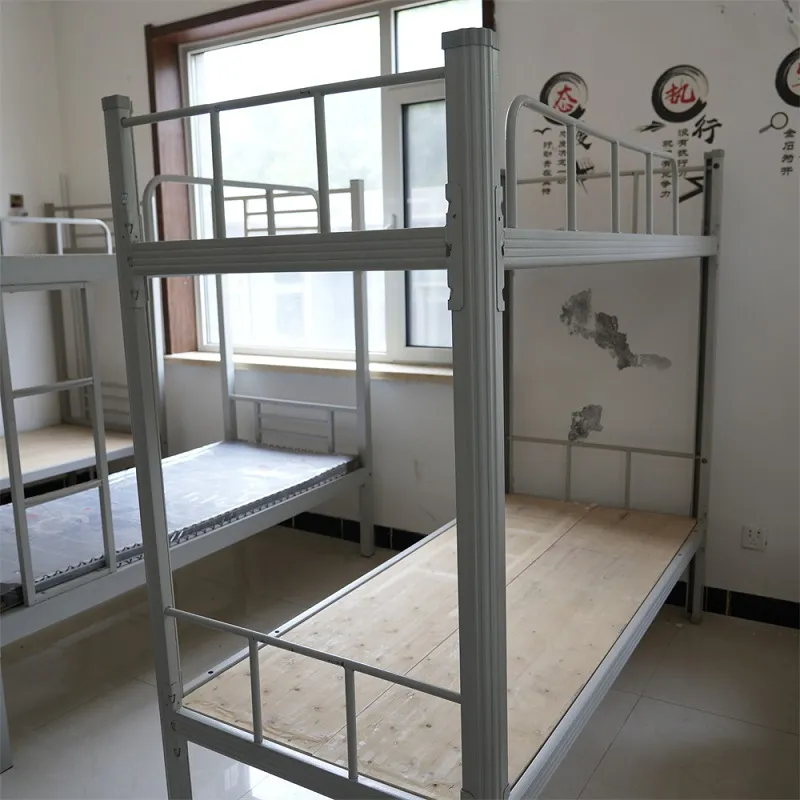
As a dormitory bed supplier, we offer a wide range of beds to meet the diverse needs of students. Our Multi - Functional Dormitory Bed is designed to maximize space and functionality. It may include features such as built - in desks, storage compartments, and charging stations. Our Double - Decker Dormitory Bed is a great option for dormitories with limited space, allowing two students to share a room efficiently.
Conclusion
Choosing the right bedding for a dormitory bed is essential for a student's comfort and well - being. Consider factors such as the type of mattress, sheets, pillows, and comforters, as well as the size, budget, and maintenance requirements. As a dormitory bed supplier, we are committed to providing high - quality beds and can offer advice on the best bedding options to complement them. If you are in charge of setting up a dormitory or are a student looking for the perfect bedding for your dorm room, we invite you to contact us for a purchase negotiation. We can help you find the most suitable products that meet your needs and budget.
References
- Consumer Reports. (2023). Bedding Buying Guide.
- Sleep Foundation. (2023). Best Bedding for Different Sleep Positions.