

What materials are commonly used for dormitory beds?
Aug 18, 2025
When it comes to furnishing dormitories, one of the most crucial pieces of furniture is the dormitory bed. As a dormitory bed supplier, I have in - depth knowledge of the various materials commonly used in the manufacturing of these beds. In this blog, I will explore the most prevalent materials, their characteristics, advantages, and disadvantages, which can help you make an informed decision when purchasing dormitory beds.
1. Wood
Wood is a classic and widely - used material for dormitory beds. There are several types of wood that are commonly employed in the production of these beds.
Hardwoods
- Oak: Oak is a very popular choice. It is known for its strength and durability. Oak beds can withstand a great deal of wear and tear, making them suitable for the high - traffic environment of a dormitory. The dense grain of oak also gives it an attractive appearance, which can add a touch of elegance to the dorm room. Additionally, oak can be easily stained or painted to match the dormitory's decor. However, oak is relatively expensive compared to some other materials. It is also heavy, which can make moving the bed around more difficult.
- Maple: Maple is another hardwood option. It is lighter in color than oak and has a smooth, even grain. Maple is strong and resistant to scratches, making it a practical choice for dormitory use. It is also more affordable than oak. On the downside, maple may not have the same rich, traditional look as oak.
Softwoods
- Pine: Pine is a common softwood used for dormitory beds. It is relatively inexpensive, making it an attractive option for budget - conscious dormitory administrators. Pine has a light color and a distinct grain pattern that gives it a rustic charm. However, pine is not as hard as hardwoods, so it is more prone to dents and scratches. It may also require more maintenance over time.
Wooden beds offer a warm and natural aesthetic that can make a dorm room feel more inviting. They are also relatively easy to repair if damaged. However, they may require periodic refinishing to keep them looking their best.
2. Metal
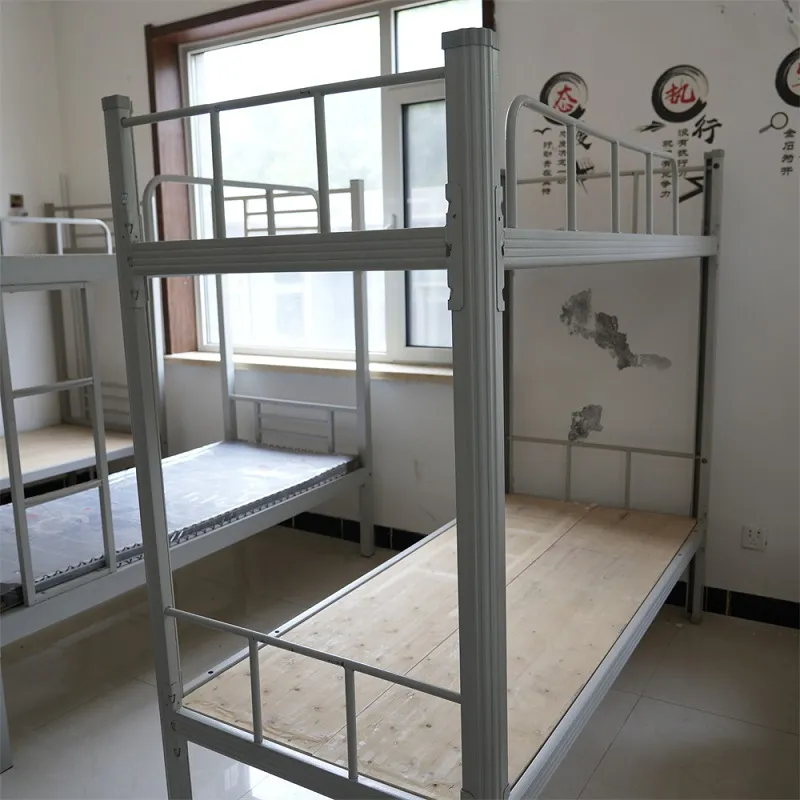
Metal is another popular material for dormitory beds. There are two main types of metal commonly used: steel and iron.
Steel
- Cold - rolled steel: Cold - rolled steel is often used in the construction of dormitory beds. It is strong, durable, and resistant to corrosion. Cold - rolled steel beds can support a significant amount of weight, making them suitable for double - decker beds. They are also relatively lightweight compared to iron beds, which makes them easier to move and install. Additionally, steel beds can be powder - coated to provide a smooth, attractive finish in a variety of colors.
- Hot - rolled steel: Hot - rolled steel is less commonly used for dormitory beds but can still be found in some heavy - duty models. It is stronger than cold - rolled steel but may have a rougher surface finish. Hot - rolled steel is more suitable for industrial - style dormitory beds.
Iron
- Wrought iron: Wrought iron beds have a classic, elegant look. They are often intricately designed with decorative elements, which can add a touch of sophistication to a dorm room. Wrought iron is very strong and durable, but it is also heavy and more expensive than steel. It may also require more maintenance to prevent rusting, especially in humid environments.
Metal beds are generally more fire - resistant than wooden beds. They are also less likely to harbor pests such as termites. However, they can be noisy if not properly constructed or maintained, and they may feel colder to the touch in the winter.

3. Plastic
Plastic is a modern alternative for dormitory beds. There are different types of plastics used, including polypropylene and polyethylene.
Polypropylene
- Polypropylene is a lightweight and durable plastic. It is resistant to impact, chemicals, and moisture. Polypropylene beds are easy to clean, which is an important factor in a dormitory setting. They are also relatively inexpensive and can be molded into various shapes and designs. However, polypropylene may not have the same aesthetic appeal as wood or metal. It may also not be as strong as these materials, so it may not be suitable for heavy - duty use.
Polyethylene
- Polyethylene is another plastic option. It is soft and flexible, which can provide a more comfortable sleeping surface. Polyethylene beds are also resistant to UV rays, making them suitable for dormitories with a lot of sunlight. However, like polypropylene, it may not be as strong as wood or metal, and it may have a lower weight - bearing capacity.
Plastic beds are a good choice for dormitories where cost - effectiveness, easy cleaning, and lightweight are important considerations. However, they may not be the best option for long - term, heavy - use situations.
4. Composite Materials
Composite materials are made by combining two or more different materials to create a new material with improved properties. One common composite material used for dormitory beds is particleboard with a veneer.
Particleboard with Veneer
- Particleboard is made from wood particles that are compressed and bonded together with resin. It is covered with a thin layer of wood veneer to give it the appearance of a solid wood bed. Particleboard with veneer is relatively inexpensive and can be made to look like more expensive hardwoods. It is also lightweight and easy to work with during the manufacturing process. However, particleboard is not as strong as solid wood, and the veneer may peel or chip over time.
Composite materials can offer a balance between cost and appearance. They can mimic the look of more expensive materials at a lower price point. However, they may not have the same durability as solid wood or metal.
Our Product Offerings
As a dormitory bed supplier, we offer a wide range of beds made from different materials to meet the diverse needs of our customers. We have Multi - Functional Dormitory Bed that are designed to maximize space and functionality in the dorm room. These beds can be made from a variety of materials, including wood, metal, and composite materials, depending on your preference and budget.
We also provide Double - Decker Dormitory Bed that are built to be safe and sturdy. Our double - decker beds are available in steel and wood options, each with its own set of advantages.
Contact Us for Purchase and Negotiation
If you are in the market for dormitory beds, we would be delighted to assist you. Whether you are looking for a specific material, a particular style, or have a budget constraint, our team of experts can help you find the perfect solution. We offer competitive pricing, high - quality products, and excellent customer service. Contact us today to start the purchasing and negotiation process. We look forward to helping you create a comfortable and functional dormitory environment.
References
- Hoadley, R. B. (2000). Understanding Wood: A Craftsman's Guide to Wood Technology. Taunton Press.
- Ashby, M. F., & Jones, D. R. H. (2012). Engineering Materials 1: An Introduction to Properties, Applications, and Design. Butterworth - Heinemann.
- Plastics Europe. (2021). Plastics: The Facts. Plastics Europe.