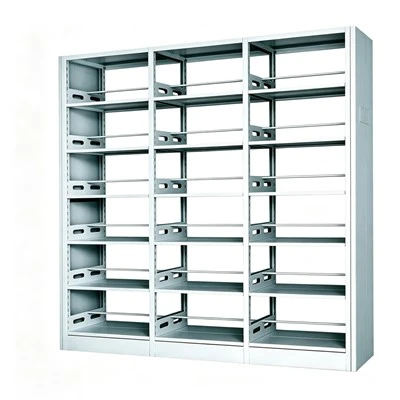
Cleaning methods for vertical steel file cabinets
Aug 12, 2026
Vertical steel file cabinets feature electrostatic powder‑spray anti‑corrosion and rust‑resistant surface coatings. Although hard‑wearing, these smooth eco‑friendly finishes are susceptible to scratching from hard objects and chemical attack from strong acids and alkalis. Cleaning must follow core principles: gentle dust removal, mild stain elimination, corrosion prevention and prompt drying. The process covers four sections: routine cleaning, stubborn‑stain treatment, deep‑cleaning for hidden dead corners and cleaning prohibitions. Standardised operations extend service life, preserve visual quality and prevent paint peeling, rusting and discolouration.
Routine basic cleaning fits daily or weekly maintenance. Floating dust and fine lint represent the primary contaminants. Prepare clean pure‑cotton soft cloths or dust‑free wipes and wipe exterior surfaces including cabinet tops, front panels, side panels, doors, locks and handles. Also clean inner partitions, interior side walls and bottom dead corners. Cabinet tops collect large amounts of easily‑ignored dust, so pay special attention to prevent caked dirt build‑up. Dry‑wiping is sufficient for basic cleaning. Use light pressure to avoid abrading the coating.
Light‑stain cleaning targets handprints, faint water marks, caked dust and mild blemishes. Prepare clean water plus a small amount of neutral soap or non‑corrosive dishwashing liquid. Thoroughly wring soft cloths until dripping stops. Gently rub stained areas, then immediately re‑wipe with dry pure‑cotton cloths to eliminate all moisture traces. Residual water accelerates coating ageing and cabinet rust. Never flush cabinets directly with water; water seeping through assembly seams and lock assemblies causes internal rust and lock jamming.
Specialised stubborn‑stain treatment addresses adhesive residues, handwriting marks, heavy grime and minor oxidation marks. Apply 75‑percent‑concentration medical‑grade alcohol or neutral furniture‑specific cleaner onto soft cloths - do not spray liquids directly onto cabinet surfaces. Rub affected spots lightly after short dwell time. For leftover adhesive tape residue, avoid forceful scraping. Moisten residues with alcohol before wiping to remove marks without damaging coatings. Minor mould spots and damp discoloration receive the same alcohol treatment followed by ventilated drying. Never use strongly acidic or alkaline detergents such as laundry powder, undiluted disinfectant, oxalic acid or toilet cleaner; these etch coatings and trigger fading, paint flaking and rust formation.
Deep maintenance and cleaning restrictions require attention. Perform thorough deep‑cleaning once per month. Remove partitions and wipe both partition faces, bottom‑panel crevices and door hinges to clear concealed dirt. Apply a tiny quantity of lubricant to locks and hinges after cleaning to ensure smooth opening and closing. Steel wool, stiff hard‑bristled brushes and sharp blades are forbidden; they scratch powder‑spray coatings and destroy anti‑corrosion layers. Once cleaning finishes, keep cabinet doors ajar for 10‑20 minutes to guarantee full drying of both interior and exterior surfaces. Consistent standard‑compliant cleaning keeps vertical steel file cabinets in good condition, prevents dirt accumulation, rust and material ageing, and preserves functional performance alongside visual appeal.