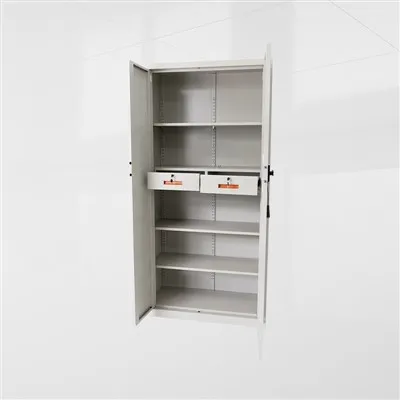
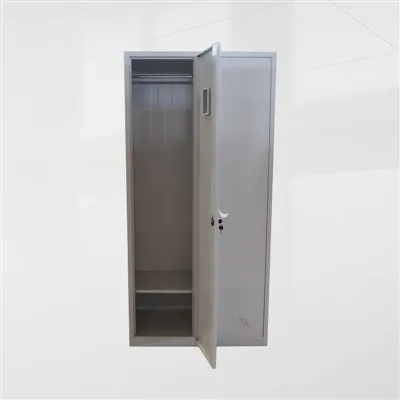
What is the difference between Light Duty Shelfs and Medium Sized Shelfs
Aug 13, 2025
The differences between light - duty and medium - duty racking mainly lie in load - bearing capacity, structural design, and applicable scenarios. Understanding these differences can help you select the appropriate racking based on your specific needs.
There are significant differences in load - bearing capacity between the two types. Light Duty Shelf typically has a single - layer load capacity of 50 - 150 kg and can only store lightweight goods, such as small parts and small packages. Medium - duty racking has a higher single - layer load capacity, usually 150 - 500 kg, and is suitable for storing heavier goods, like boxed electronics and tools.
There are also differences in structural design. Light - duty racking is mostly constructed from angle steel or cold - rolled steel. Its columns and shelves are thinner, making it easier to assemble and allowing for a wider range of height adjustments. Medium - duty racking uses thicker steel, with columns often designed in H or C shapes and thicker shelves. Some also incorporate reinforced crossbeams, resulting in a more stable overall structure and more precise height adjustments to accommodate goods of varying heights.
In terms of application scenarios, light - duty shelving is suitable for home storage, small warehouses, or e - commerce small - batch storage, offering flexible installation and low costs. Medium - duty shelving is primarily used in small and medium - sized warehouses and supermarket storage areas, facilitating more frequent storage and retrieval of goods. Furthermore, since medium - duty shelving is made of thicker materials, it offers greater long - term stability and generally has a longer service life than light - duty shelving.