Does a Commercial Safe Need to Be Kept Level When Placed?
Sep 27, 2026
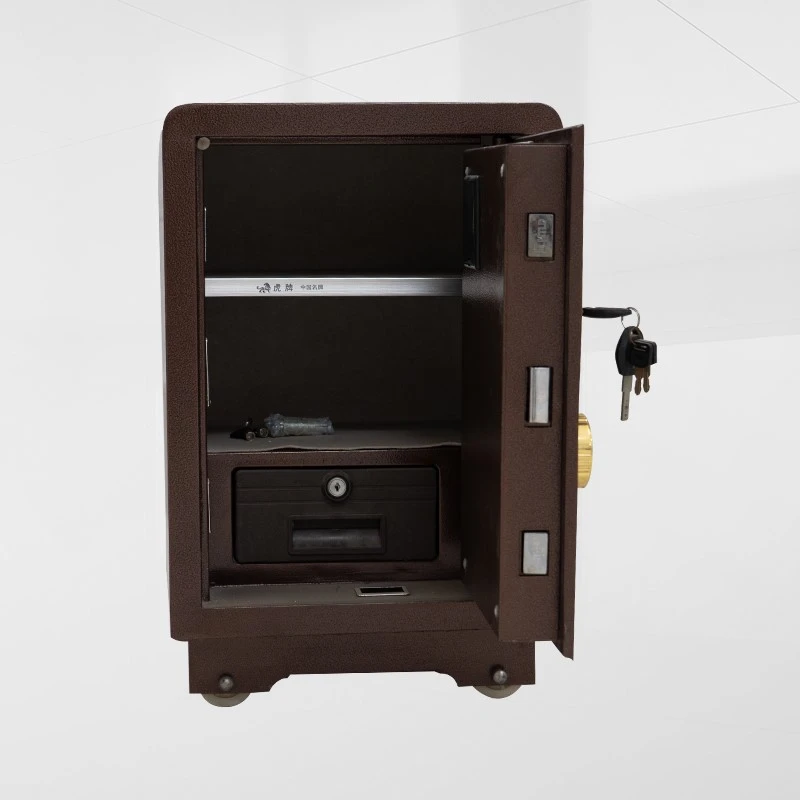
Keeping a Commercial Safe stable when it is installed or placed is important for convenient daily operation. Although requirements may vary depending on the structure and installation method of different products, placing the safe on a relatively flat and stable surface can help support normal operation and reduce problems caused by an unstable position.
First, stable placement can help the safe open and close properly. If the safe remains noticeably tilted for an extended period, the door may not operate as smoothly during daily use. Therefore, when selecting a location, priority should be given to a flat and solid surface, and the safe should be checked after placement to determine whether there is any obvious tilting.
Keeping the safe level can also make it more convenient to store and retrieve items. Commercial premises may require employees to open the safe frequently to access cash, documents, bills, or other items. If the safe is unstable, repeated operation may cause it to move or wobble, making daily use less convenient. A stable position can therefore contribute to smoother routine management.
The condition of the floor should also be considered. If the floor has significant height differences, slopes, or uneven areas, the placement should be adjusted according to the actual conditions. A Commercial Safe should not simply be placed on an unstable surface without considering whether the location can adequately support it. Where necessary, appropriate adjustment measures can be taken based on the safe's structure and installation requirements.
After placement, a basic inspection can be performed. Check whether the safe remains stable, whether there is any noticeable movement when the door is operated gently, and whether nearby objects interfere with normal opening and closing. If the safe is visibly tilted or unstable, its position should be adjusted promptly.
In addition to level placement, the load-bearing capacity of the floor should also be considered. A Commercial Safe may have considerable weight, and additional items stored inside will increase the overall load. Therefore, the safe should be placed on a surface that can adequately support its weight. The condition of the floor should be evaluated based not only on whether it is level but also on whether it can provide stable support.
Adequate operating space should also be maintained around the safe. Even if the safe is level and stable, a large amount of clutter in front of or beside it may interfere with opening the door, retrieving items, or performing routine cleaning. Therefore, both stability and operating convenience should be considered when selecting the location.
Commercial Safes are often used in a fixed location for an extended period. Selecting a suitable position and checking the placement condition during initial installation can reduce the inconvenience associated with frequent movement later. If the business has specific internal requirements for installation or placement, those requirements should be followed.
It should be noted that the specific placement method should be determined according to the actual structure, installation method, and product instructions. If the product documentation specifies requirements for levelness, fixing methods, or installation conditions, those requirements should take priority.
Overall, a Commercial Safe should preferably be placed in a stable and level position without noticeable tilting. Proper placement can support convenient opening, closing, and item retrieval while making daily management in commercial premises more efficient.