Is a Commercial Safe Suitable for Long-Term Use?
Sep 25, 2026
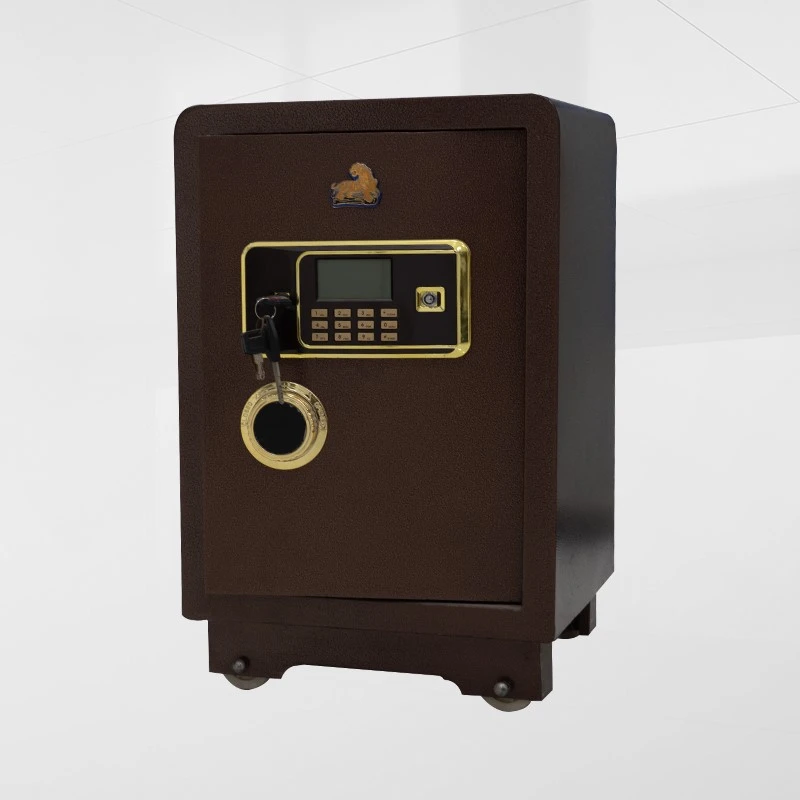
A Commercial Safe can generally be used for long-term management of important items in commercial premises. Businesses may need to continuously manage cash, bills, documents, company seals, and other important items, so a Commercial Safe is often not intended for short-term use but can instead become part of a company's daily management system.
Whether a Commercial Safe remains in good condition during long-term use depends largely on the operating environment and daily management practices. First, the safe should be placed in a relatively dry, clean, and suitable environment. It should be kept away from areas that are prone to moisture, standing water, or exposure to liquids. If the surrounding environment has consistently high humidity, more attention should be given to routine inspection and cleaning.
The way the safe is used on a daily basis can also affect its long-term condition. When storing items, the available internal space should be arranged reasonably, and excessive amounts of miscellaneous items should not be placed inside. If documents, bills, or other materials need to be stored for an extended period, they should be kept organized and should not be placed inside the safe while visibly damp. Proper classification makes items easier to locate and reduces the inconvenience of frequent sorting and handling.
During long-term use, basic inspections should also be performed periodically. The exterior, interior, and surrounding area can be checked for obvious abnormalities. For example, inspect the surface for visible stains, signs of corrosion, or impact marks, and check whether the interior remains clean and dry. If an abnormal condition is identified, it should be addressed promptly rather than being ignored for an extended period.
The operating environment should also remain reasonably stable. A Commercial Safe should not be placed near high-temperature heat sources for long periods. Locations where the safe may frequently be struck by carts, equipment, or other moving objects should also be avoided. In commercial premises where carts or equipment are frequently used, the safe should preferably be placed in an area where accidental collisions are unlikely.
Passwords, keys, and other access information should be managed according to the company's internal procedures. Access permissions can be assigned according to employees' responsibilities so that personnel without relevant duties do not have unnecessary access to the safe. For important items that require controlled management, businesses can also establish internal registration procedures to record access and use.
If a Commercial Safe has remained unused for an extended period, it is advisable to conduct a basic inspection before putting it back into service. Check the exterior and interior for obvious abnormalities, confirm that the storage environment remains suitable, and make sure the normal opening method is available before resuming regular use.
Therefore, a Commercial Safe can meet the needs of long-term use in commercial environments, but long-term use does not mean that maintenance can be completely neglected. Maintaining a suitable environment, storing items properly, conducting basic inspections regularly, and managing access information appropriately can all contribute to maintaining the safe in good working condition.