Which Industries and Locations Commonly Need a Confidential Filing Cabinet?
Nov 04, 2026
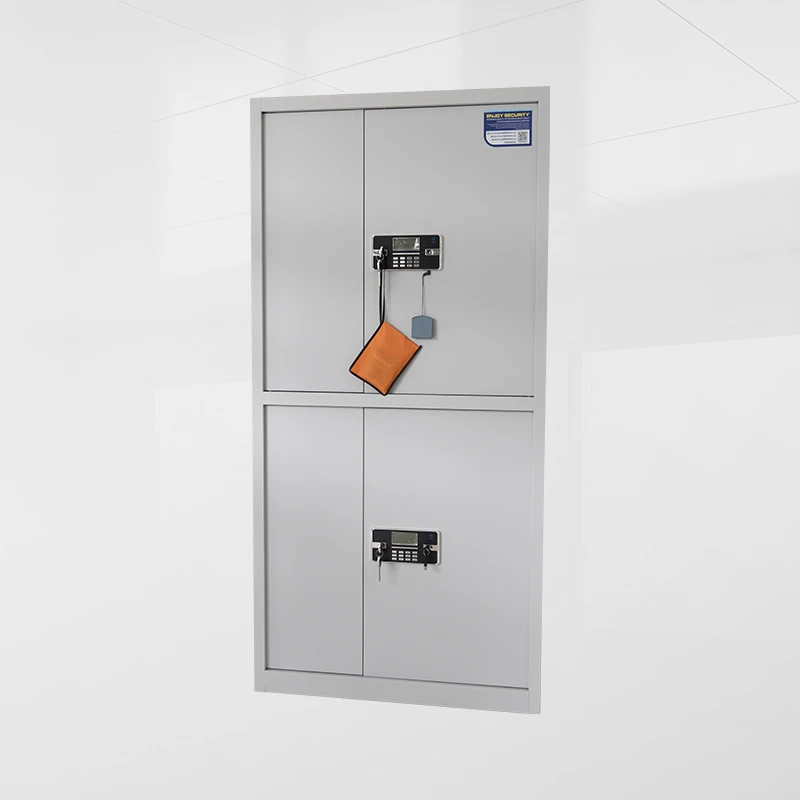
A Confidential Filing Cabinet is suitable for locations where important documents, internal information, and paper records requiring controlled access need to be stored. As businesses and institutions place increasing importance on office management and information security, more organizations are recognizing the need for centralized storage and standardized management of important paper documents. Different industries have different requirements, but the main purpose remains the same: improving document security and organization.
First, government departments and public institutions are major users of Confidential Filing Cabinets. These organizations generate large volumes of administrative documents, internal working materials, meeting records, personnel files, and other important paper records. Using Confidential Filing Cabinets to store these materials centrally helps prevent documents from being left in unsuitable locations and allows employees to organize records according to department and document category.
Second, corporate offices also have a strong demand for Confidential Filing Cabinets. During daily business operations, companies generate commercial contracts, customer records, purchasing documents, internal management files, and other business-related materials. Some of these documents contain sensitive business information and internal company data, making controlled access important. Administrative, management, and business departments often benefit from having designated storage areas for these materials.
Third, financial institutions have particularly important document management requirements. Banks, insurance companies, securities-related organizations, and other financial service providers regularly handle business vouchers, customer records, financial documents, and internal management materials. A Confidential Filing Cabinet helps these organizations classify and store important paper documents while reducing the risk of unauthorized access or document loss.
Fourth, law firms and legal service organizations are also suitable users. These organizations often need to manage contracts, case files, legal documents, client information, and other important records. Since some of these materials involve client privacy and case-related information, they should be stored and managed with appropriate access restrictions.
Fifth, schools and educational institutions also have practical uses for Confidential Filing Cabinets. Schools can use them to store student records, teacher personnel files, financial documents, examination-related materials, and internal administrative records. Keeping different types of documents separate helps improve the organization and standardization of school record management.
Sixth, hospitals and healthcare institutions may also use Confidential Filing Cabinets to store administrative records, personnel files, financial documents, and other internal materials requiring controlled access. Documents involving personal privacy should be managed according to applicable internal procedures and privacy protection requirements to ensure that only authorized personnel can access them.
In addition, Confidential Filing Cabinets are suitable for research institutions, design institutes, engineering companies, and manufacturing enterprises. These organizations may need to preserve project contracts, technical documents, design records, business files, and internal management materials. Using a Confidential Filing Cabinet helps establish a clearer and more organized document management system.
Confidential Filing Cabinets can also be useful in home offices and personal workspaces. Individuals may use them to store property contracts, insurance documents, copies of important certificates, personal financial records, and other paper materials that require careful storage.
Overall, any location that needs to preserve important paper documents can consider using a Confidential Filing Cabinet. When selecting a suitable product, users should consider the types of documents, frequency of access, confidentiality requirements, and storage environment. This helps ensure that the cabinet meets the practical needs of the workplace.