Composition Method And Technical Analysis Of Safe Cabinets
May 12, 2025
In today's increasingly important information security, safe cabinets are key equipment for protecting sensitive documents and valuables, and their design and manufacturing process have attracted much attention. This article will analyze the core composition method of safe cabinets from a professional perspective to help users have a deeper understanding of the technical points of this important security equipment.
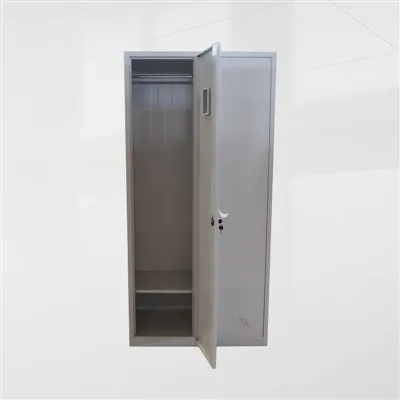
The basic structure of safe cabinets is usually composed of high-strength cabinets, lock systems, internal compartments and auxiliary safety devices. The choice of cabinet material directly affects its protective performance. High-quality safe cabinets mostly use thickened cold-rolled steel plates with a thickness generally between 1.2mm and 2mm. Some high-end products even use double-layer steel plate structures and fill the interlayer with fireproof and heat-insulating materials to enhance anti-destruction capabilities. The cabinet joints need to be precisely welded or bolted to ensure the stability of the overall structure.
The lock system is the core security component of the safe cabinet. Modern safe cabinets generally use multiple verification methods such as electronic password locks, mechanical password locks or fingerprint recognition locks. Some high-end models also support dual authentication mechanisms, such as password + key or fingerprint + IC card combinations. The installation of the lock must ensure that it fits tightly with the cabinet to prevent violent opening or technical cracking. In addition, the anti-rust treatment and durability testing of the lock are also key links in quality control.
The design of the internal compartment focuses on the balance between practicality and security. The interior of the safe is usually equipped with adjustable partitions to meet the storage needs of documents of different sizes. Some products also have hidden drawers or secret compartments for storing particularly important items. The edges of the compartments need to be rounded to avoid scratching documents or users.
Auxiliary security devices such as anti-pry alarms and automatic alarm systems further enhance the security level of the safe. These devices are usually linked to the lock system, triggering sound and light alarms when abnormal opening attempts are detected, and can send alarm information to managers through the network.
Through reasonable material selection, sophisticated structural design and advanced security technology, the safe can provide reliable protection for users' sensitive assets. With the continuous advancement of technology, the safe will be more intelligent and humanized in the future to meet the growing demand for information security.