What Is The Difference Between A Confidential Filing Cabinet And An Ordinary Filing Cabinet?
Nov 05, 2026
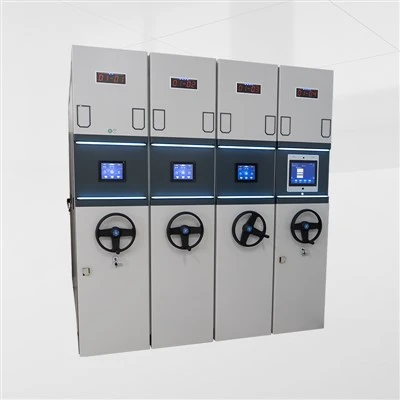
Although both Confidential Filing Cabinets and ordinary filing cabinets are designed to store and organize documents, they differ in their design priorities, application scenarios, and management requirements. Ordinary filing cabinets mainly address everyday document storage needs, whereas Confidential Filing Cabinets focus more on the secure storage and controlled management of important information. They are especially suitable for office environments where document confidentiality is a priority.
First, the two types of cabinets differ in their approach to security management. Ordinary filing cabinets are generally used to store routine office materials, general business documents, and standard paper records. Their primary purpose is to keep office materials organized and easily accessible. Confidential Filing Cabinets, on the other hand, place greater emphasis on protecting stored documents. They are commonly equipped with locking mechanisms and related security features to help prevent unauthorized individuals from opening the cabinet or accessing important materials.
Second, they are suitable for different types of documents. Ordinary filing cabinets are generally used for everyday office paperwork, routine contracts, meeting materials, business records, and frequently accessed documents. Confidential Filing Cabinets are more suitable for materials that require a higher level of access control, such as business information, financial records, employee files, customer information, legal documents, and important internal records. Users can choose the appropriate cabinet according to the importance and management requirements of their documents.
Third, their management approaches are different. Ordinary filing cabinets are generally used flexibly, allowing employees to store and retrieve documents according to their daily work requirements. Confidential Filing Cabinets are better suited to structured management procedures, such as assigning responsible personnel, controlling key access, restricting access by unauthorized individuals, and maintaining document borrowing and return records. These practices help make the storage and use of important documents more organized.
Fourth, their application scenarios differ. Ordinary filing cabinets are widely used in open-plan offices, general administrative areas, classrooms, and home offices. Confidential Filing Cabinets are more commonly used in corporate management departments, finance offices, human resources departments, archive rooms, government institutions, financial organizations, and legal service firms, where document security and access management are particularly important.
In addition, the daily usage habits associated with these cabinets may vary. Documents in ordinary filing cabinets are often accessed frequently, so convenience and ease of organization are important considerations. Confidential Filing Cabinets must also provide convenient access while ensuring that important documents remain properly secured and are not left unattended or freely accessible.
It should be noted that using a Confidential Filing Cabinet does not completely eliminate every risk of information disclosure. Its actual protective performance depends on the cabinet's construction, locking mechanism, and operating environment. Even when a Confidential Filing Cabinet is used, organizations should establish appropriate document management procedures and avoid careless key handling or unauthorized access.
Overall, ordinary filing cabinets are generally sufficient for organizing routine office documents. However, when important or confidential paper materials need to be stored centrally with controlled access, a Confidential Filing Cabinet is a more suitable choice.