


What Precautions Should Be Taken When Using Dense Mobile Shelves?
Nov 12, 2026
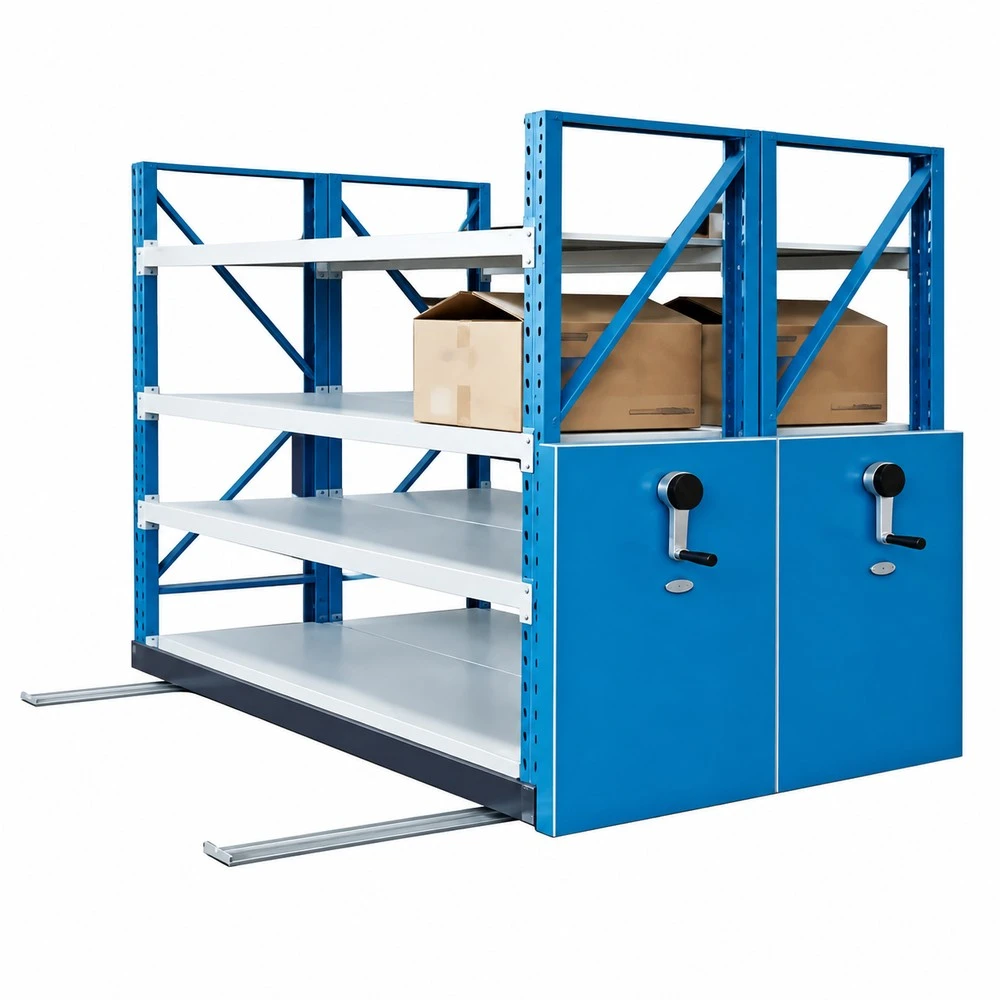
Dense Mobile Shelves improve space utilization and support centralized storage by allowing shelving units to move and access aisles to be adjusted. However, their operation also requires proper handling and item management. Correct use of Dense Mobile Shelves not only improves storage efficiency but also helps reduce potential safety risks and maintain the normal operating condition of the shelving system.
First, items should be arranged properly. When storing archives, books, or other materials, users should classify them according to type, weight, and access frequency. Items of different weights should be distributed appropriately, and excessive loads should not be concentrated in one area. Irregularly shaped or easily tipped items should be properly organized and secured to prevent them from falling when the shelving units move.
Second, the specified load capacity must not be exceeded. Each shelving system has its own load-bearing capacity, and users should understand these requirements before placing items on the shelves. The number of stored items should not be increased arbitrarily to maximize storage capacity, and heavy objects should not be concentrated in one section. Proper weight distribution helps maintain structural stability and reduces unnecessary stress on the shelving system and its moving components.
Third, the aisle environment should be checked before moving the shelving units. Since Dense Mobile Shelves create access aisles through movement, users must ensure that no people, debris, or other obstacles are present in the operating area. If someone is retrieving or placing items inside an aisle, the corresponding shelving units should not be moved. For products equipped with safety locks or anti-pinch devices, these features should be used according to the operating instructions to prevent accidents caused by improper operation.
Fourth, shelving units should be moved correctly. Operators should understand the proper movement procedures and avoid sudden force, excessive pushing, or forcing the system to move when an abnormal condition occurs. If the shelving units become difficult to move, operate unevenly, or produce unusual noises, operation should be stopped and the cause investigated. Forcing the units to move may damage the tracks or transmission components.
Fifth, the track area should be kept clean. Tracks are essential components of Dense Mobile Shelves. Dust, paper scraps, small particles, and other debris may accumulate inside the tracks and interfere with roller movement, increasing resistance. Therefore, the tracks and surrounding areas should be cleaned regularly to prevent foreign objects from entering the moving components.
Sixth, safety should be maintained when retrieving and storing items. Employees should avoid placing their hands or feet between moving shelving units or attempting to retrieve items while the shelves are in motion. Suitable access equipment should be used when handling items stored at higher positions. Climbing onto shelving units or standing in unstable positions to retrieve items should be avoided.
In addition, the moving components, connection points, and braking devices should be inspected regularly. Check for looseness, wear, and other abnormal conditions. If any problems are found, the relevant operation should be stopped and the system inspected to prevent minor issues from developing into more serious equipment failures.
For archives and libraries, the indoor environment should also be kept dry, well ventilated, and clean. This helps reduce the negative effects of moisture on stored materials and shelving surfaces. When storing paper documents, appropriate measures should be taken to prevent moisture, dust, and insects.
Overall, the main precautions when using Dense Mobile Shelves involve proper item arrangement, correct movement procedures, aisle safety, and routine maintenance. Following standardized operating procedures and maintaining proper storage management can help keep the shelving system running smoothly, reduce safety risks, and improve storage efficiency.


