


Is A Confidential Filing Cabinet Suitable For Long-Term Storage Of Important Archives?
Nov 06, 2026
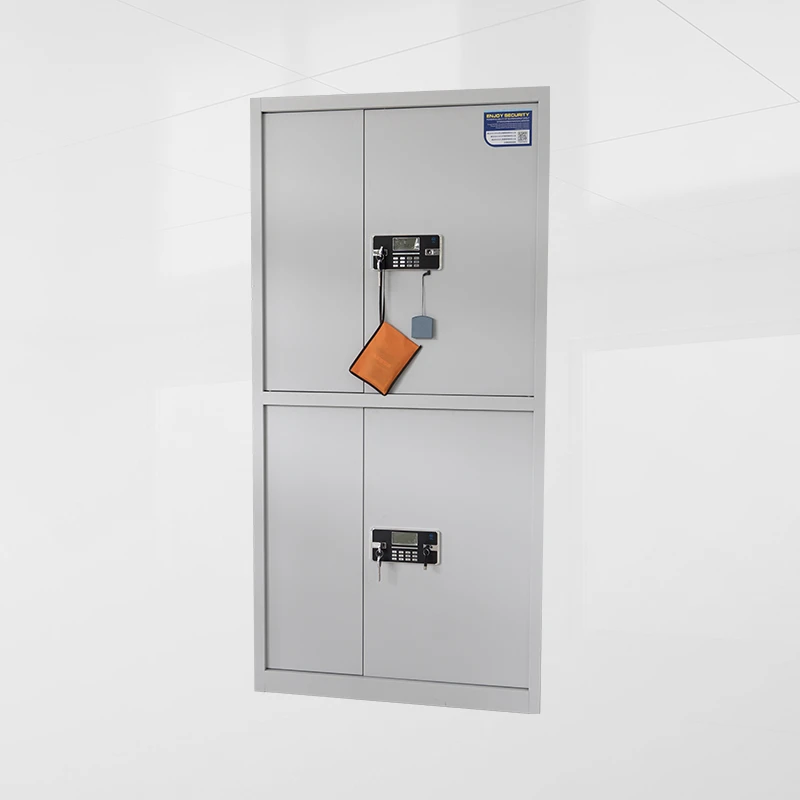
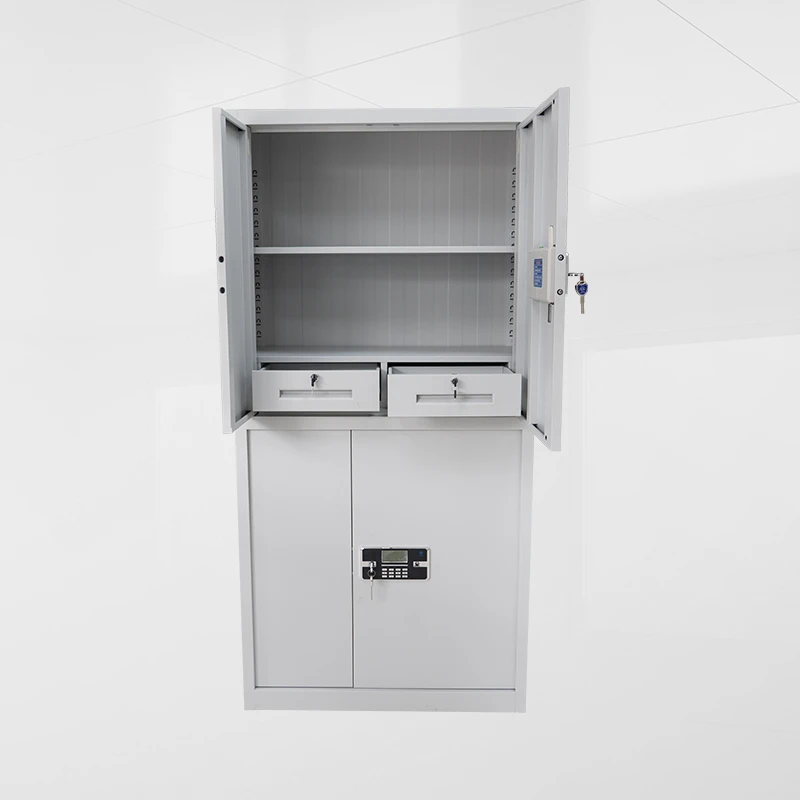
A Confidential Filing Cabinet is suitable for the long-term storage of important archives, particularly in offices where documents need to be stored centrally, access needs to be controlled, and records must remain organized. Businesses, government departments, financial institutions, schools, and legal service organizations often need to preserve paper documents for extended periods. Using a Confidential Filing Cabinet provides a designated storage space for these important records.
First, a Confidential Filing Cabinet helps reduce the risk of losing important documents. In everyday office environments, contracts, financial vouchers, personnel files, and business records may become mixed together, misplaced, or accidentally removed if they are stored without proper organization. Keeping these materials in a designated Confidential Filing Cabinet and classifying them by category helps minimize confusion and improves document management.
Second, a Confidential Filing Cabinet helps protect the security of stored records. Important documents involving business operations, customer information, and internal management may be exposed to unauthorized individuals if they are left in open office areas. Using a lockable cabinet and assigning designated personnel to manage access can help restrict unnecessary access and ensure more orderly document storage.
Third, the storage environment is essential for long-term document preservation. Paper records can be affected by moisture, dust, direct sunlight, and changes in temperature. If a Confidential Filing Cabinet is placed in a damp environment for an extended period, documents may become moldy, discolored, or deformed, and their written content may deteriorate. Therefore, the cabinet should be placed in a dry, well-ventilated area with relatively stable environmental conditions. Locations near water sources, damp walls, or areas prone to leakage should be avoided whenever possible.
Fourth, proper document classification improves long-term archive management. Documents should be organized according to department, creation date, document type, or level of importance. Folders, archive boxes, and labels can be used to identify different categories. For documents with defined retention periods, maintaining an archive index that records document names, storage locations, and relevant information can make future retrieval more convenient.
In addition, long-term storage does not mean that documents can be left unchecked indefinitely. The inside of the cabinet should be inspected regularly to identify signs of moisture, dust accumulation, insect damage, or other unusual conditions. The cabinet doors, locks, and related components should also be checked to ensure that they remain in proper working condition.
For important archives that need to be preserved for many years, organizations may also consider creating electronic catalogs or appropriate digital backups. This makes it easier to locate historical documents without repeatedly handling the original paper records, helping reduce unnecessary wear and tear.
It is important to understand that a Confidential Filing Cabinet provides centralized storage and access management but does not replace a professional archival preservation environment. Historical documents, valuable original records, and other materials with special preservation requirements may need additional protective measures based on their specific characteristics.
Overall, a Confidential Filing Cabinet is an effective choice for the long-term centralized storage of important everyday archives. However, maintaining document integrity and usability also requires suitable environmental conditions, proper classification, and regular inspections.


