


What Is The Difference Between Dense Mobile Shelves And Traditional Fixed Shelving?
Nov 14, 2026
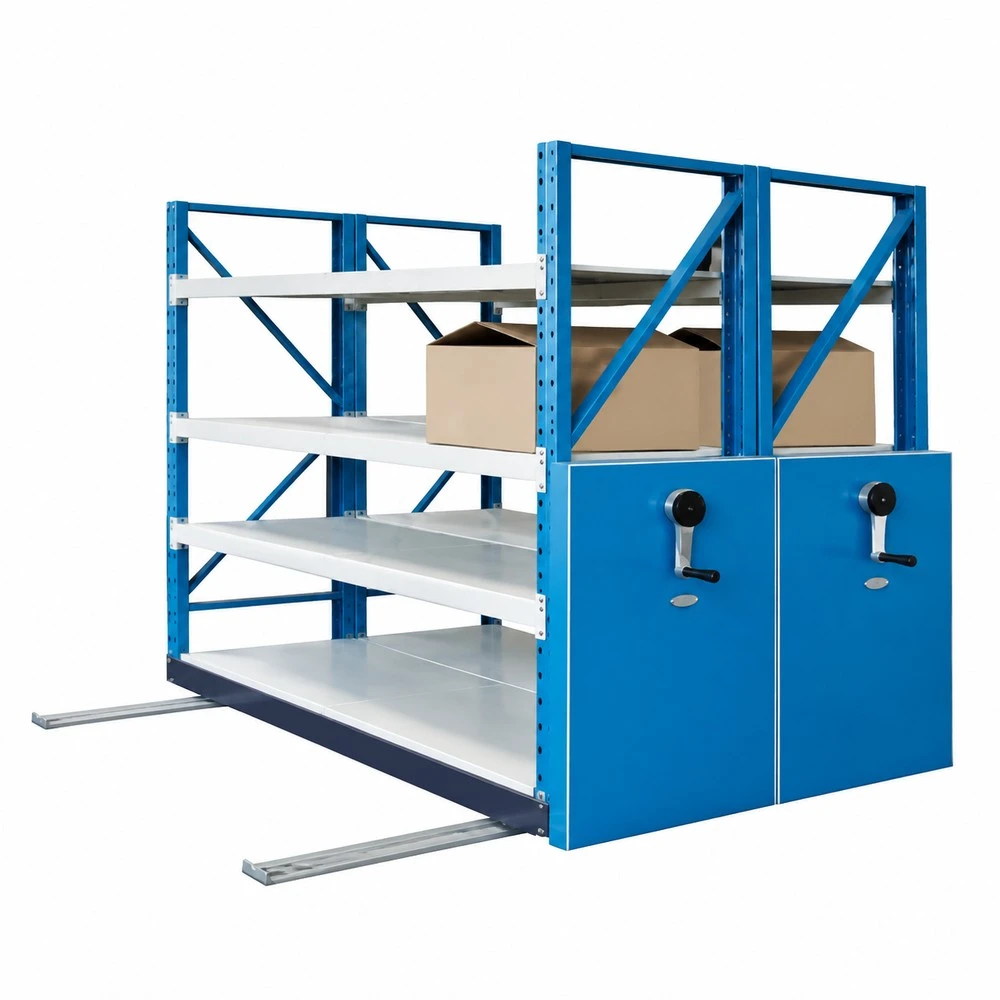
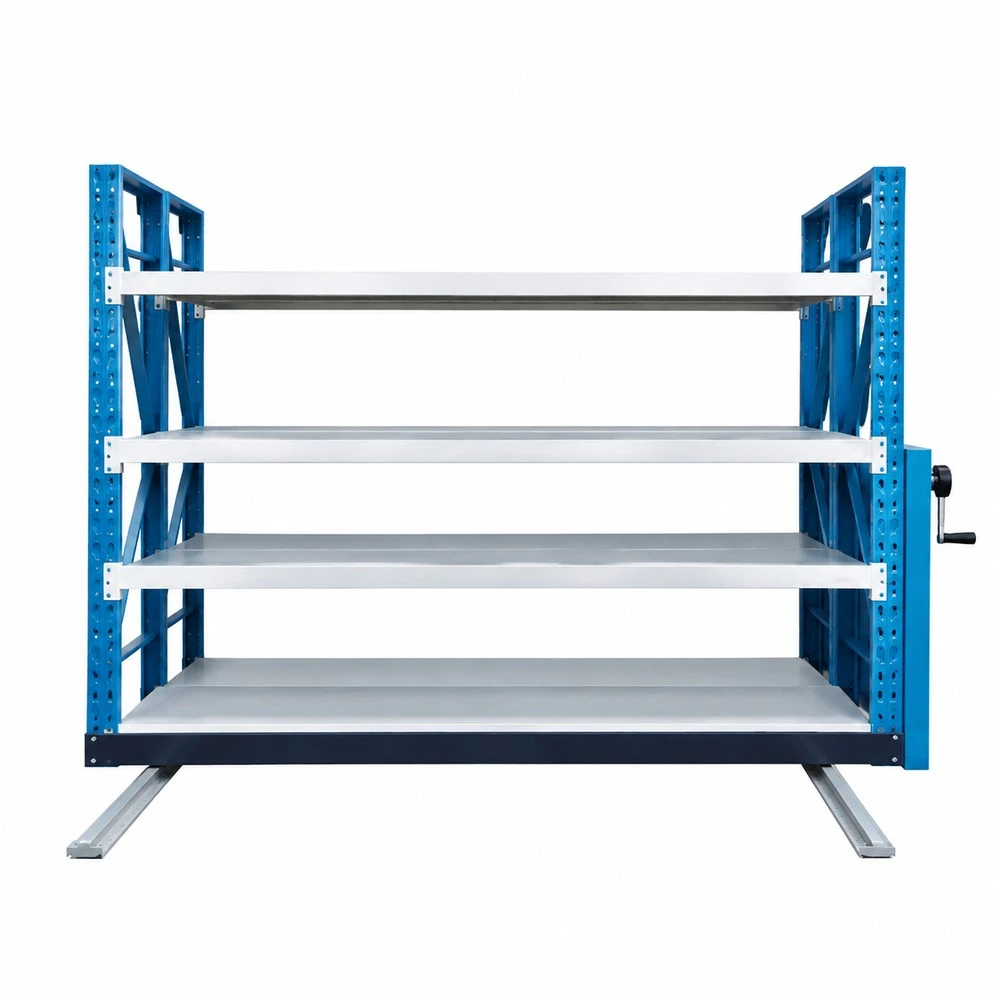
Dense Mobile Shelves and traditional fixed shelving are both commonly used storage systems, but they differ significantly in structural design, space utilization, item access methods, and management characteristics. Traditional fixed shelving stores items in stationary shelving units, while Dense Mobile Shelves adjust aisle positions by moving shelving units. This allows items to be stored more compactly within the available space.
First, the two systems use space differently. Traditional fixed shelving generally requires permanent aisles between each row so that employees can directly access different storage sections. This arrangement is straightforward, but the aisles occupy a certain amount of indoor space. Dense Mobile Shelves, on the other hand, can be arranged closely together. When access is required, the shelving units are moved to create the necessary aisle, reducing the amount of space occupied by permanent aisles.
Second, their storage capacities may differ. Under the same indoor space conditions and with a suitable layout, Dense Mobile Shelves can generally accommodate more storage units. Since some aisle space can be converted into storage space, this system is particularly suitable for archives, libraries, and warehouses that need to store large quantities of items. Traditional fixed shelving requires storage areas to be arranged around permanent aisle widths and fixed shelving positions, making the overall layout less flexible.
Third, their item access methods are different. With traditional fixed shelving, employees can usually enter the aisle between the relevant shelving units directly to retrieve or store items. There is no need to move other shelves first. With Dense Mobile Shelves, the relevant shelving units must be moved to create an access aisle before employees can retrieve or store items. Therefore, Dense Mobile Shelves are more suitable for centralized storage environments where access requirements can be organized systematically.
Fourth, the two systems have different operating procedures. Traditional fixed shelving has a relatively simple structure and generally does not involve movement. Daily use mainly focuses on item arrangement and structural stability. In addition to item management, Dense Mobile Shelves require attention to movement procedures, track cleaning, and inspection of moving components. For electrically operated or intelligent shelving systems, users must also follow the relevant control system instructions.
Fifth, the two systems have different characteristics in terms of item management. Traditional fixed shelving can be organized by permanent storage locations, allowing employees to identify items according to their fixed positions. Dense Mobile Shelves can also use identification numbers, labels, and classification catalogs to manage different storage sections. Combined with clear location markings, this arrangement helps improve document management efficiency in centralized storage environments.
Sixth, their application scenarios are somewhat different. Traditional fixed shelving is suitable for warehouses that require frequent and simultaneous access to multiple storage areas, such as logistics warehouses and spare parts storage facilities with frequent daily inventory movements. Dense Mobile Shelves are more suitable for facilities that require high storage density and organized item preservation, including archives, libraries, resource rooms, and certain corporate warehouses.
In addition, the maintenance requirements of the two systems are different. Traditional fixed shelving mainly requires inspection of structural connections, surface conditions, and item arrangement. Dense Mobile Shelves require additional attention to tracks, rollers, transmission mechanisms, and braking devices to ensure smooth movement.
Overall, the main differences between the two systems lie in space arrangement and item access methods. Users should select the appropriate shelving system according to facility conditions, storage requirements, item types, and daily operating habits.


