Why Is Steel Selected As The Material For Document Compact Shelving?
Jul 31, 2026
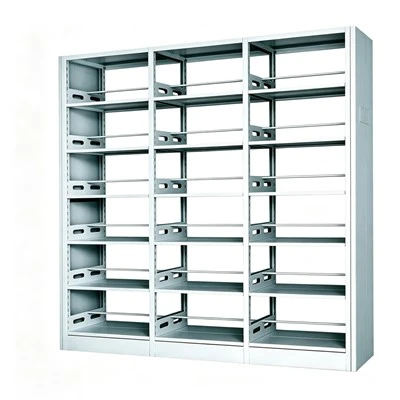
Nearly all standard Document Compact Shelving manufactured by qualified suppliers adopts high-quality cold-rolled steel, completely replacing wood, composite panel and plastic alternatives.This material selection is not merely an established industry convention; it is the optimal solution determined by comprehensive evaluation of archival storage functional demands, long-term user experience, equipment structural stability and storage safety. The comprehensive physical performance of steel perfectly matches the long-term, high-volume, high-safety storage demands of professional archive facilities.
First and foremost, steel material delivers exceptional structural stability and ultra-high load-bearing capacity - an irreplaceable core advantage absent in alternative materials. Archive facilities store massive volumes of heavy archive boxes, financial vouchers, bound newspapers and legal document volumes, creating high storage density and heavy single-unit load requirements.
High-hardness, high-toughness steel sheets are assembled via integrated welding to form robust shelving frames with evenly distributed load across layered boards. Even after decades of storing heavy archival materials, layer boards will not bend, deform, collapse or loosen. In contrast, wooden and composite panel storage racks feature limited load capacity and easily deform or crack under prolonged heavy loads, failing to satisfy large-volume archive storage demands.
Secondly, steel resists moisture, corrosion, mold growth and pest infestation, aligning perfectly with the core demand of long-term paper archive preservation. Paper archives are highly vulnerable to permanent damage from dampness, wood-boring pests, mold and chemical corrosion.
Traditional wooden furniture readily absorbs ambient moisture, grows mold and attracts destructive insects. Long-term use leads to rotting panels and unpleasant mildew odors, which indirectly contaminate and damage stored paper archives. Steel, however, is non-absorbent, mold-resistant and unappealing to wood-eating pests. Minor fluctuations in indoor humidity will not cause rotting, deformation or mold growth, creating a protective storage environment for archived documents and eliminating risks of pest damage and mold contamination.
Furthermore, steel Document Compact Shelving offers outstanding wear resistance, simple daily maintenance and an ultra-long service life. After electrostatic plastic spraying surface treatment, steel cabinet surfaces resist scratches and corrosion, retaining uniform color without peeling paint. Dust and surface stains can be effortlessly removed with a simple damp wipe, minimizing daily maintenance labor.
Under standard operating conditions, steel Document Compact Shelving can remain fully functional for decades with minimal visible signs of aging. By comparison, wooden and composite panel furniture easily wears, peels and cracks, requiring frequent replacement and incurring higher long-term operational costs.
Beyond the above advantages, steel material is eco-friendly, non-toxic and boasts superior flame retardant performance. Premium steel sheets contain no formaldehyde and emit no unpleasant chemical odors, maintaining healthy indoor air quality within enclosed archive storage spaces.
Additionally, steel is non-combustible and flame-resistant, significantly boosting fire safety standards within archive facilities relative to flammable wooden furniture. This provides maximum protection for irreplaceable valuable archived documents. Taking structural stability, safety performance, durability and practicality into full account, steel remains the most compatible, mature and universally adopted dedicated material for Document Compact Shelving.