How to conduct daily cleaning for a Vertical File Cabinet?
Sep 11, 2026
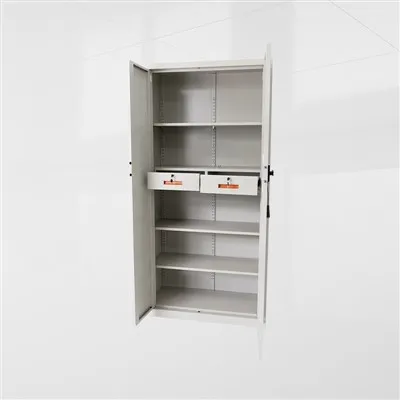
Vertical File Cabinets are mostly steel‑made with smooth surfaces and regular structures. Dust buildup, stains and dampness may accumulate under office‑environment conditions. Dust, mildew and dirt easily gather inside gaps, hinges, locks and shelf corners. Standard daily cleaning and maintenance preserve cabinet appearance, extend equipment service life and protect stored archives. Cleaning and maintenance fall into four categories: routine basic cleaning, monthly deep cleaning, moisture‑and‑mildew prevention and hardware‑accessory maintenance, with simple operations suitable for office‑environment application. Routine basic cleaning covers daily and weekly tasks for sustained cabinet cleanness. For daily upkeep, use clean dry cotton cloths to wipe outer surfaces, cabinet doors, tops and side corners and remove floating dust and flocculent debris. Avoid long‑term dust accumulation that forms stubborn stains. Wipe gently to prevent scratches on cabinet paint layers. Perform shallow wet‑cleaning weekly with fully wrung‑out slightly damp cloths. Wipe outer cabinets, door gaps, cabinet bottoms and shelf surfaces to remove light stains and residual dust. Pay special attention to door handles and frequently‑touched edges to wipe off sweat‑induced dirt. Dry all surfaces with dry cloths immediately after wet wiping to prevent water‑caused corrosion on paint and metal components. Steel wool and hard brushes are prohibited to avoid scratching anti‑rust paint coatings. Carry out deep cleaning every month to remove dirt and dust from hard‑to‑reach corners. Empty all archives and office articles from the cabinet first. Dismount adjustable shelves and wipe front‑back surfaces and corner gaps thoroughly to sweep away dust and fine debris. Wipe inner cabinet walls and bottom corners, where dust and moisture collect and mildew tends to breed. Use cotton swabs or small brushes to clear dust from narrow door gaps and frame grooves without leftover dirt. For mild stubborn stains, dilute neutral detergent with water and wipe stained areas with damp cloths. Wipe with clean water‑dampened cloths afterwards and dry completely. Hydrochloric acid, disinfectants and strong‑alkaline detergents are strictly forbidden, as they corrode paint layers and trigger metal rust and discoloration. Moisture‑and‑mildew prevention constitutes a key maintenance step, especially for humid climates and low‑light ground‑floor offices. After cleaning and drying cabinets, leave cabinet doors open for 10‑20 minutes for inner‑cabinet air circulation to dispel moisture and avoid mildew under sealed‑space conditions. Place desiccants or dehumidification sachets at inner corners every month to maintain dryness. If minor mildew spots appear, brush off mildew residues, wipe surfaces with slightly damp cloths and air‑dry completely before putting documents back. Do not position Vertical File Cabinets beside windows, air‑conditioning outlets or water sources to avoid cabinet rust and archive dampness caused by rainwater, condensed water or splashed liquid. Increase ventilation and cleaning frequency in humid seasons to stop mildew and odor formation. Finally, maintain hardware accessories to guarantee smooth door movement and safe operation. Wipe dust and stains from hinges and locks regularly. Apply a small quantity of lubricant if hinges produce jamming or abnormal noise for smoother motion. Keep lock cores dry and dust‑free. Do not pour water or pile debris into locks. Inspect cabinet screws and fixing parts during cleaning. Tighten loose components timely to prevent structural deformation. Standardized cleaning‑and‑maintenance workflows are easy to implement. Regular upkeep keeps Vertical File Cabinets in good condition, protects office archives comprehensively and prolongs equipment service life.