How Should A Mobile Compact Shelving System Be Cleaned Regularly?
Oct 22, 2026
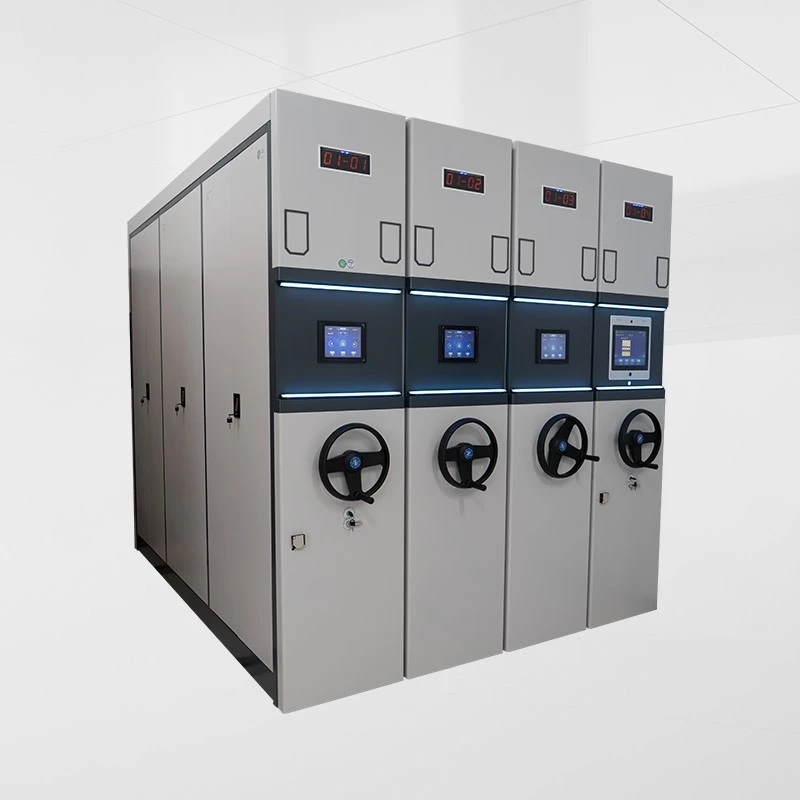
A mobile compact shelving system is commonly used to store archives, documents, and books. Over time, dust and paper debris can accumulate on the shelving surfaces, shelves, and tracks. If cleaning is neglected, the system may become less presentable, and debris may interfere with normal movement. Regular cleaning should therefore be incorporated into routine maintenance according to the operating environment and actual usage.
First, prepare the area before cleaning. Make sure the shelving units are stationary and stable, clear away nearby obstacles, and protect important documents and stored materials. This helps prevent documents from falling, becoming damp, or being mixed up during cleaning. Never clean the system while the shelving units are moving, and keep your hands away from gaps between units and other potential pinch points.
Next, clean the external surfaces. Side panels, uprights, doors, handles, and shelves can accumulate dust and should be wiped gently with a soft, dry cloth or a suitable dusting tool. If stubborn stains are present, select a cleaning agent that is compatible with the surface material. Avoid abrasive tools or excessive scrubbing, as these may scratch the surface or damage the protective coating. After using a damp cloth, wipe away any remaining moisture promptly.
Track cleaning is particularly important. Dust, paper scraps, and other debris inside the tracks may interfere with roller movement and increase resistance. Inspect the track surfaces, grooves, and edges regularly, using a brush or vacuum cleaner to remove accumulated debris. After cleaning, make sure no objects remain in the tracks that could obstruct the shelving units.
The shelves and internal storage areas should also be cleaned periodically. Depending on the situation, documents can be removed temporarily or the system can be cleaned section by section. Remove dust before wiping the shelf surfaces. In areas containing large quantities of paper documents, minimize airborne dust to prevent particles from settling on the stored materials again. Once cleaning is complete, return all documents to their designated locations according to the existing classification system.
Moisture control is another important consideration. A mobile compact shelving system should not be washed directly with water, and wet cloths should not be left against metal surfaces for extended periods. After wiping with a damp cloth, dry the surfaces promptly and maintain adequate ventilation. In archive rooms, pay particular attention to indoor humidity to help protect paper documents from moisture damage.
Cleaning tools and agents should be selected carefully. Use products appropriate for the shelving material, and avoid strong acids, strong alkalis, or chemicals that may damage the surface coating. Tracks and moving components should primarily be kept free of dust and debris. Do not apply oil or grease indiscriminately, as these substances may attract dust and make future cleaning more difficult.
Finally, combine cleaning with routine inspection. After cleaning, check the shelving surfaces for visible damage and confirm that the tracks are clear and the units move smoothly. If sticking, unusual noises, or component abnormalities are detected, arrange for further inspection and appropriate corrective action.
In summary, routine cleaning of a mobile compact shelving system should cover the external surfaces, shelves, internal storage areas, and tracks. Proper moisture control, suitable cleaning products, and safe working practices are also essential. Regular cleaning and maintenance help keep the system in good condition and provide a cleaner environment for storing documents and other materials.